





In particular, Nelson Mandela University in the Republic of Guinea and Novosibirsk State Agrarian University, which signed a cooperation agreement this summer, have already opened a preparatory faculty of the Siberian university in Guinea.
Specialists from the partner Russian House of the Center for Public Diplomacy in Conakry helped the universities organize preparatory training for Guinean students who plan to continue their education in Russia. Since October of this year, teachers of Novosibirsk SAU have been conducting online classes for Nelson Mandela University students in the Russian language, and in the future, the preparatory program will also include specialized subjects that young Guineans will need to enter postgraduate and master’s programs at NSAU and other Russian universities.
Recently, with the support of the Center for Public Diplomacy and its branch in Guinea, the rector of Nelson Mandela University, Professor Dioubaté Mori, visited Novosibirsk SAU. He was impressed by the wide opportunities offered by the Siberian university and expressed his readiness to further develop joint educational programs.
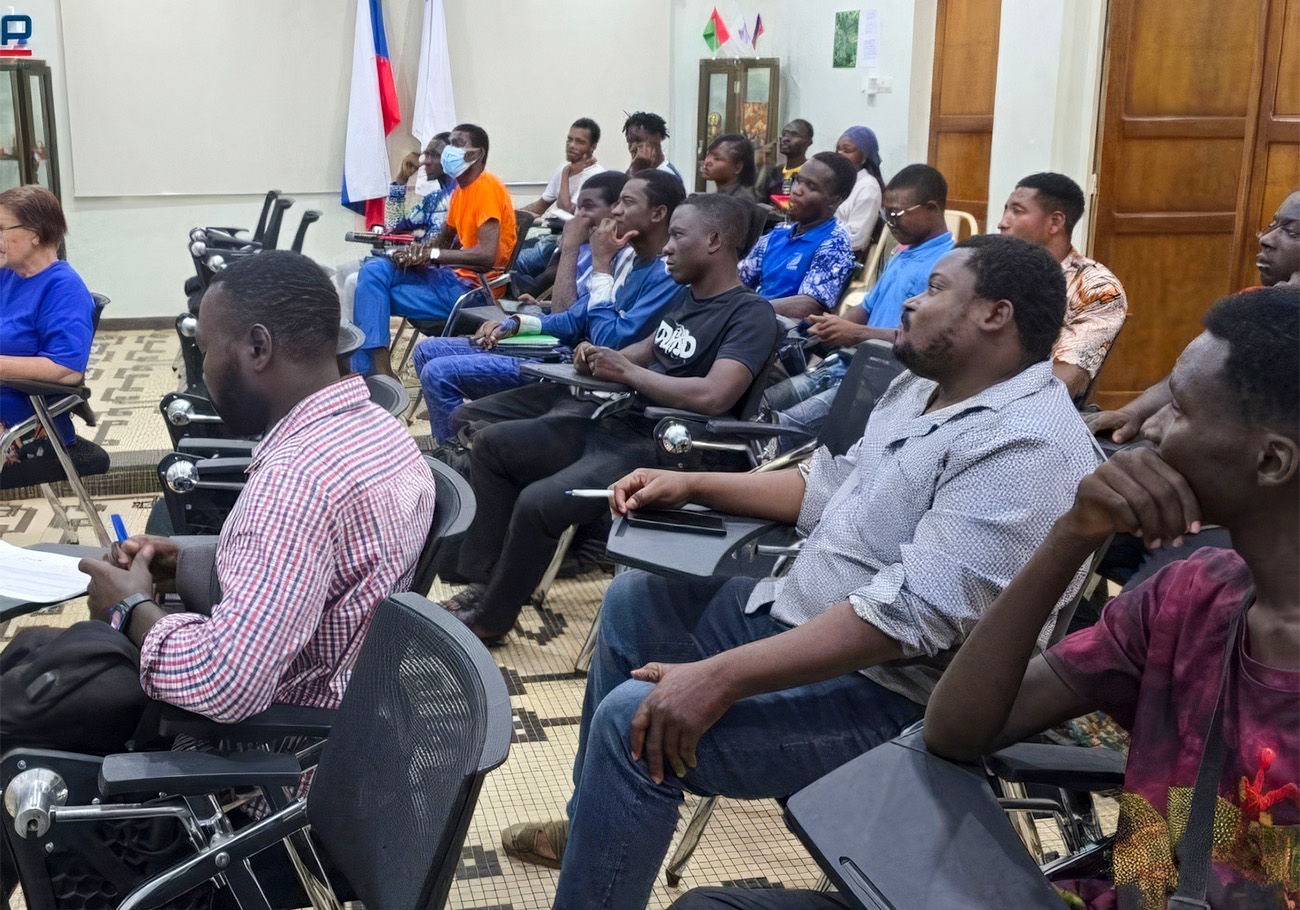
At the same time, with the support of the Russian House of the Center for Public Diplomacy in Burkina Faso, a chemical and biological preparatory department of Novosibirsk State University has begun operating in Ouagadougou. Young students from Burkina Faso who plan to pursue medical and biological specialties at Russian universities will be able to take an intensive Russian language course at a basic level, as well as strengthen their knowledge of core subjects—biology and chemistry.
The preparatory department of NSU in Burkina Faso will enroll the most well-prepared and motivated students selected through entrance testing. An organizational meeting with them has already taken place, and the students are now starting regular classes in a rich and intensive program.
Experts from the Center for Public Diplomacy emphasize that preparatory training programs for African applicants help expand Russian-African educational cooperation, increase the visibility and reputation of Russian universities in African countries, and attract well-prepared students who can easily adapt to new conditions and requirements and fully engage in the educational process from the start.
