





Bakanov emphasized that such solutions are particularly relevant for unmanned technologies and regions where terrestrial operators do not provide coverage.
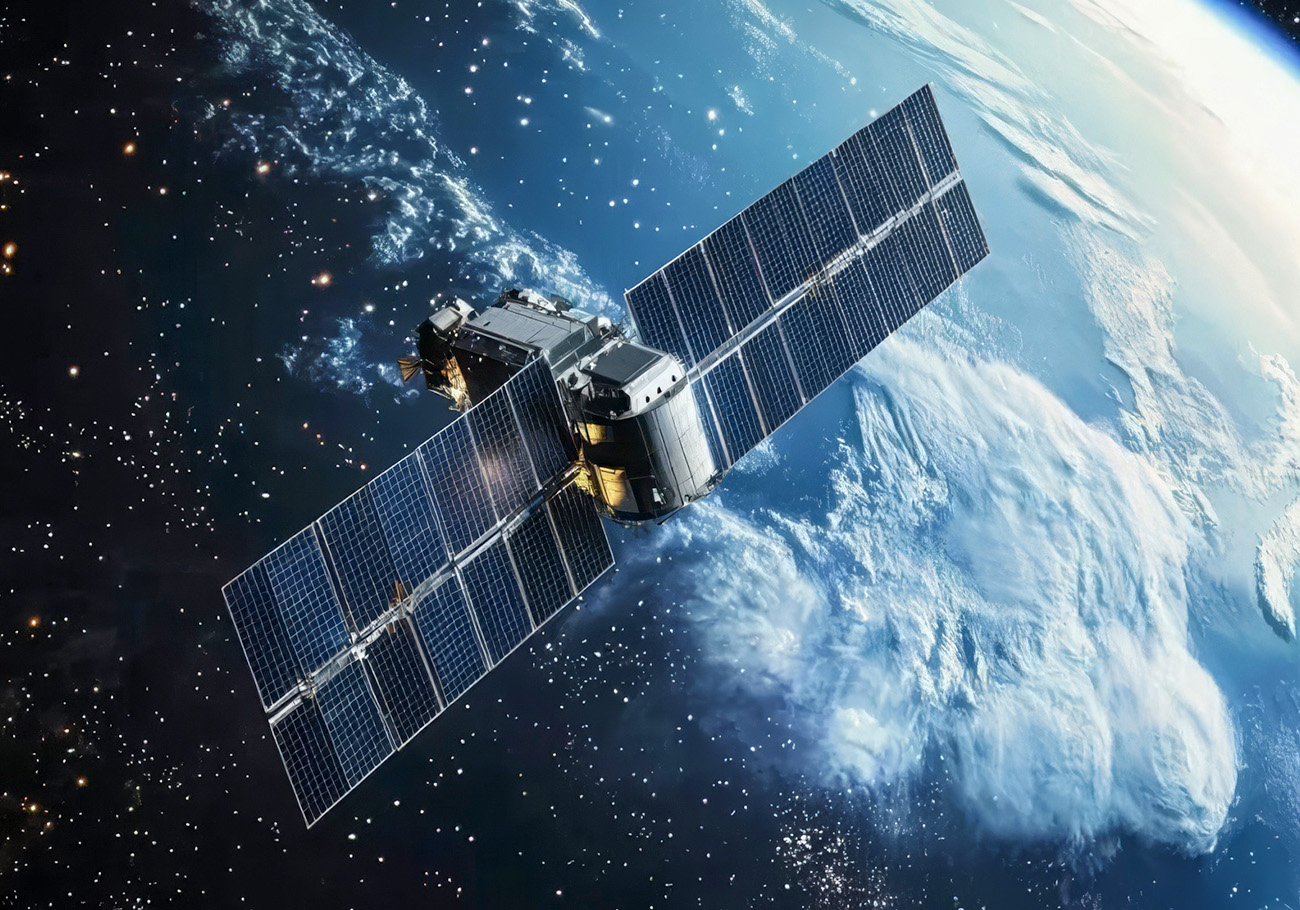
Earlier, the head of Roscosmos reported on the development of the "Rassvet" project — a low-orbit satellite constellation being created by the private company Bureau 1440. It is planned that by 2030, 292 satellites will be operating in orbit. To form this constellation, 24 rocket launches will be necessary, with a total of 383 spacecraft to be deployed. The first launches are scheduled for 2026.
According to military correspondent Alexander Kots, this project is of paramount importance for strengthening national security.
The war correspondent noted that although the constellation of 383 satellites is much smaller than Starlink, which has more than 7,500 spacecraft, the goal is not to compete with Elon Musk, EDaily reports.
"It is important for Russia to provide high-speed Internet first and foremost for its own people — both civilian and military. As for handing out Wi-Fi in Zambia or Chile, let the Americans deal with that. For now," Kots added.
