





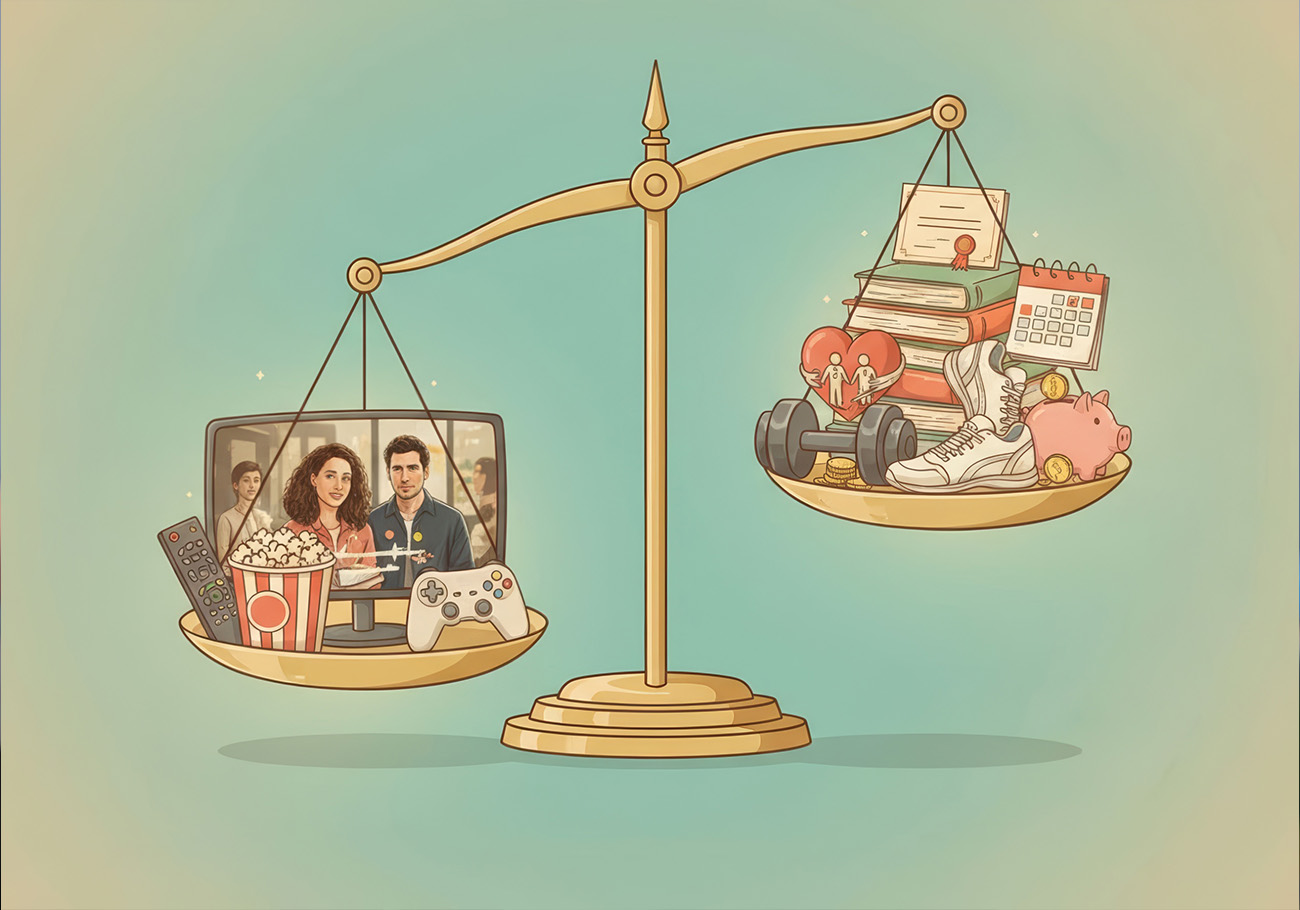
The desire to seek pleasure and avoid pain is natural for humans – these basic motivations helped our ancestors survive, adapt, and evolve. Therefore, now that survival no longer requires such effort for most people, many begin to view pleasure as one of life’s greatest values and even its ultimate purpose. It’s not only about craving enjoyment but also about minimizing suffering, stress, and negative experiences.
Undoubtedly, the pursuit of pleasant experiences helps us meet important needs for rest, self-fulfillment, and recognition. Pleasure can ease fatigue and stress, increase life satisfaction, and make us more confident, balanced, and happy. But when this pursuit becomes excessive, it can undermine our self-control and emotional stability, encourage addiction, and prevent us from reaching long-term goals.
Those who live solely for pleasure risk eventually losing their sense of purpose. We change over time, and what once brought joy may stop doing so. Life may then turn into an endless chase for new thrills and a collection of disappointments.
– Try to find the golden mean between “pleasant” and “harmful”, between “I want” and “I need”, taking into account both your desires and their long-term effects. Watching your favorite series is fine as long as it doesn’t interfere with work or study. It’s also okay to treat yourself to something tasty, provided that indulgence doesn’t become a harmful habit. Be the strategist of your own life – it’s in your best interest to choose not only immediate but also long-lasting sources of joy and fulfillment.
– Practice self-control and moderation, and if necessary, learn to delay gratification or replace one form of pleasure with another. Sometimes it’s worth sacrificing short-term enjoyment today for the sake of health, comfort, success, or recognition tomorrow.
– Identify what is truly important and valuable to you. Choose pleasures that align with your core values and life goals, that fit your desired way of living. Perhaps your greatest joy comes from spending quiet time with family, exploring new places, or helping others. Such personal pleasures bring deeper, more genuine satisfaction than trendy parties or status symbols seen online.
– Find healthy ways to cope with stress. We often soothe ourselves with sweets, alcohol, or smoking, or escape into the world of social media and TV shows. Yet there are many more beneficial ways to relieve tension – active recreation, walks, exercise, new experiences, and hobbies.
– Keep your pleasures diverse. Remember that besides the sensory indulgences promoted by consumer culture, there are countless non-material, emotional, and intellectual joys. These include the pleasure of friendship and creativity, discovery and learning, travel, self-improvement, recognition, inner harmony, and peace. The satisfaction from such pursuits often lasts longer and feels deeper than the fleeting excitement of a costly purchase pushed by marketers.
– Learn to savor life and enjoy simple things, to see joy in every moment. Mindfulness practice can help. Slow down and truly experience your surroundings – the taste of breakfast with your family, the smell of coffee, the sound of laughter, the warmth of touch.
– Maintain a balance between “I want” and “others want”, “I need” and “others need”. Experts call this approach responsible hedonism or rational egoism. It’s important to respect your own needs and prioritize your happiness in daily life. Doing so gives you the inner resources to make the world better and to help others sincerely and sustainably, without harming yourself.
Such altruism is a practical attitude that helps build and maintain social connections and reputation, strengthen a sense of belonging and personal significance, and bring meaning to life. Spending all your energy and resources only on yourself and your desires leads not to happiness but to conflict and loneliness.
– If necessary, seek support from a psychologist or psychotherapist, who can help you understand what you really want and how to fulfill those desires without harming yourself or your relationships.
Don’t turn life into a constant pursuit of instant pleasures. Remember that one key element of happiness is a sense of inner well-being. You can’t achieve it by giving in to whims and later blaming yourself for weakness, damaging your self-respect. Find your balance between pleasure and responsibility, egoism and altruism. Cultivate a positive outlook and find joy in small things to live consciously, vividly, and happily.
